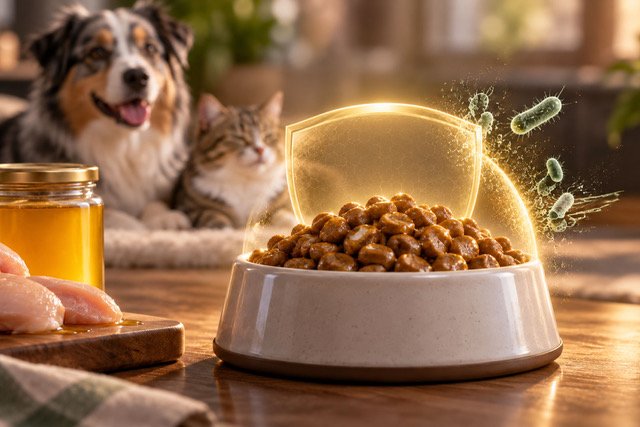
Salmonella remains a serious issue in pet food manufacturing, with consequences that can stretch across the entire supply chain. In this quarter’s report, we break down the pet food recalls issued in Q2 2025 and examine how contamination, coupled with the ongoing effects of bird flu, continues to disrupt ingredient availability and production stability. When safety and consistency are at risk, the ingredients you choose matter more than ever.
Salmonella Recalls Are Still a Concern
Q2 2025 saw multiple large-scale pet food recalls tied to Salmonella contamination. Thousands of pounds of both dog and cat food products were affected, and the events spanned a variety of product formats and manufacturing facilities. The scope and frequency of these recalls made headlines and prompted significant disruption across the industry.
Retailers issued pullbacks, distributors faced delays, and affected manufacturers dealt with shutdowns, investigations, and long-term brand damage. Even after issues were resolved, customer confidence remained shaken. For many brands, the aftermath proved more difficult than the recall itself.
In today’s market, where consumers are highly attuned to ingredient quality and sourcing transparency, even one recall can cast a long shadow. What starts as a food safety issue quickly becomes a business and brand issue that is increasingly hard to bounce back from.
The Ripple Effects of Contamination Go Beyond the Product
Each recall tells a broader story of process breakdowns and quality gaps. While root causes may vary, the impact tends to look the same across the industry. Q2’s recall activity revealed several key trends:
- Recalls impacted both wet and dry pet food formats, showing no category is immune
- Contaminated products were often widely distributed, increasing consumer exposure
- Most cases were tied to contaminated animal fat or protein ingredients
- Internal testing and regulatory inspections both served as triggers for recalls
- Several manufacturers faced production delays or shutdowns during resolution
- Public concern and reputational damage continued even after issues were addressed
These events highlight how critical it is to work with suppliers who deliver consistency, transparency, and rigorous testing. Salmonella may be invisible, but its effects on your operations and your brand are not.
Bird Flu Continues to Threaten Ingredient Supply Chains
In addition to contamination concerns, many manufacturers are navigating the supply challenges caused by continued bird flu outbreaks. Avian disease can affect both the availability and cost of poultry-derived ingredients, including chicken fat. As flocks are culled and processors struggle to maintain output, standard chicken fat supplies may become more variable in both quality and availability.
For manufacturers depending on consistent ingredient performance, these fluctuations can affect everything from cost forecasting to production schedules. Here’s what to watch for:
- Limited availability of poultry fat due to flock reductions
- Increased pricing volatility for animal-derived inputs
- Greater inconsistency in quality when relying on broad-spectrum fat blends or lightly processed fats
Being proactive about sourcing, especially for key ingredients like chicken fat, can help minimize these risks and keep your operation running smoothly.
Gold Shield® Refined Chicken Fat Remains the Clear Choice
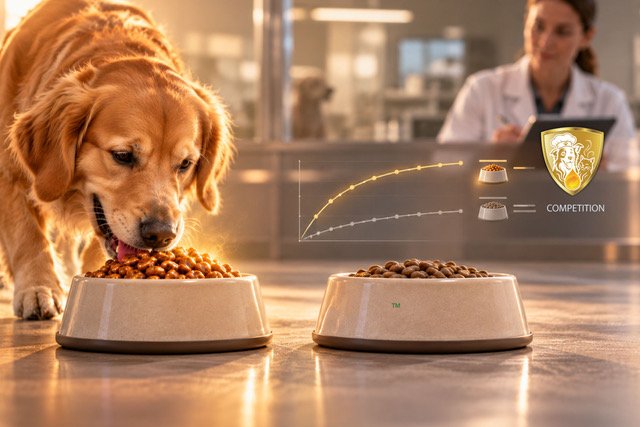
While other ingredients may vary in purity or availability, Gold Shield® Refined Chicken Fat continues to deliver dependable performance. Designed with safety, stability, and consistency in mind, Gold Shield® Refined Chicken Fat is backed by science and certified to be free from Salmonella and Bird Flu contamination.
The difference is clear.